
If you’ve ever tried booking a trip during holidays, festivals, or long weekends, you already know how hard it is to find the cheapest hotel prices when demand spikes. One day rooms look normal… the next day they’re double — sometimes triple — the cost. And even after hours of comparing sites, the “best price” still feels more expensive than it should be.
The truth is, hotel pricing during peak season isn’t random. It follows patterns — patterns that smart travelers use to consistently snag lower rates even when everyone else is paying inflated prices. And once you understand how these pricing systems work, you’ll never look at hotel booking the same way again.
Below are the strategies experienced travelers rely on to beat the peak-season surge and unlock genuinely cheaper stays.
1. Book at the Right Time (It’s Not What You Think)
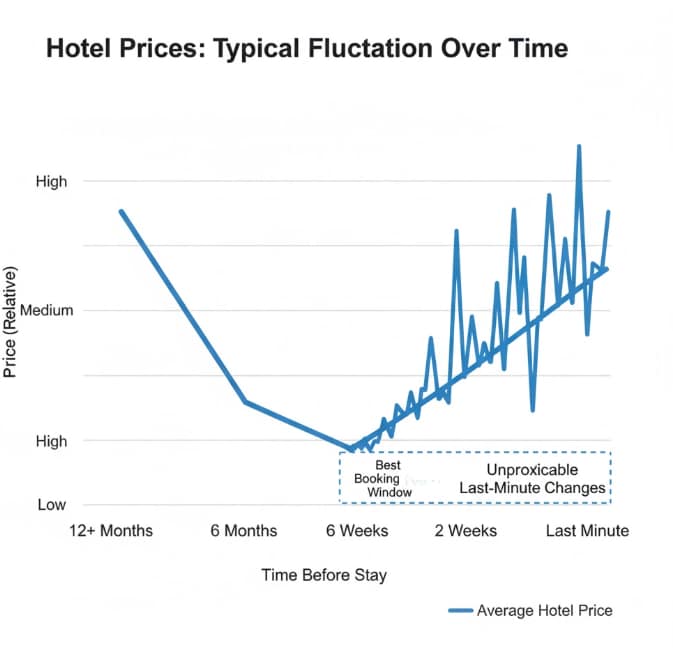
Most people believe the earlier you book, the better the price. Sometimes that works — but not always during peak season. Prices often spike months ahead because hotels expect high demand.
Here’s the real pattern:
- Far-in-advance = higher prices
- 4–6 weeks before = dip in rates
- Last-minute = potentially discounted
The sweet spot is usually middle-window booking, when hotels adjust rates based on real bookings instead of predictions.
2. Avoid the “Big Travel Site” Trap

Major booking sites show only public rates — and public rates rise fastest during peak season. These sites also add commissions and markups, making “lowest price” a bit misleading.
Smart travelers check alternative channels where public markups don’t apply.
3. Shift Your Dates by Just One Night
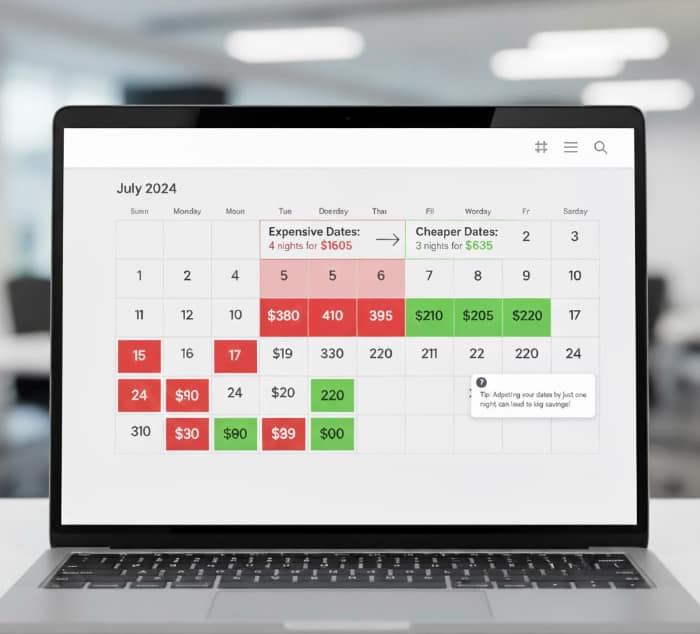
Peak-season pricing fluctuates heavily based on arrival/departure day.
Sometimes a one-night shift changes the total cost dramatically.
Try adjusting dates by ±1 day and watch the price drop.
4. Book Refundable First, Then Recheck Prices
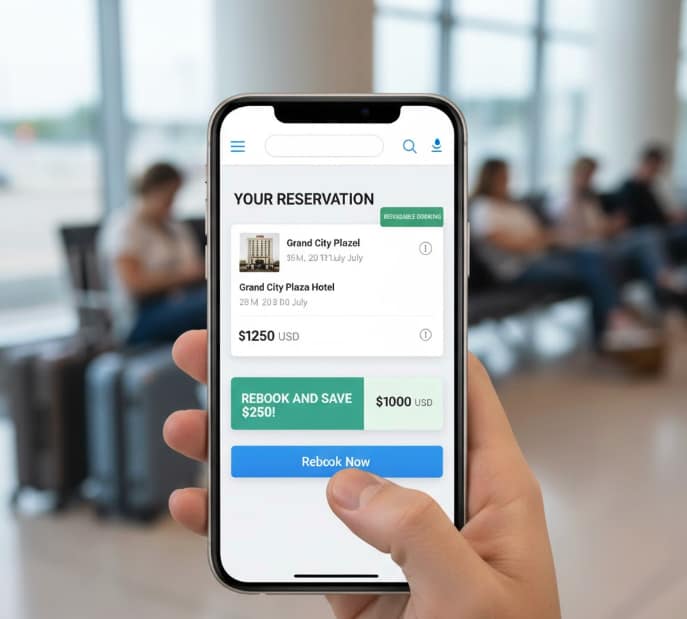
A simple technique many frequent travelers use:
- Book a refundable room early
- Recheck prices regularly
- Rebook if the price drops
Hotels often lower prices as the stay date gets closer — but only those who look again benefit.
5. Use Private, Non-Public Savings (Where the Biggest Discounts Hide)

Hotels are allowed to offer deeper discounts — but not on public websites.
So the lowest rates often appear in:
- private loyalty channels
- closed user groups
- exclusive codes
- savings keys or private-rate portals
This is where most travelers miss out.
This is also where tools like My Travel Planet come in.
MTP isn’t a booking site — it simply gives travelers access to private hotel savings that can’t be shown publicly. During peak season, these private rates often stay significantly lower than public ones because they bypass markup-heavy pricing.
It’s the kind of advantage seasoned travelers use quietly because it works especially well when demand (and public prices) are high.
6. Avoid Booking on Peak Search Days
The most expensive days to book hotels are typically:
- Fridays
- Sundays
- Mondays
The cheapest days?
- Tuesdays
- Wednesdays
These are the days hotels adjust remaining inventory.
7. Search in Incognito Mode
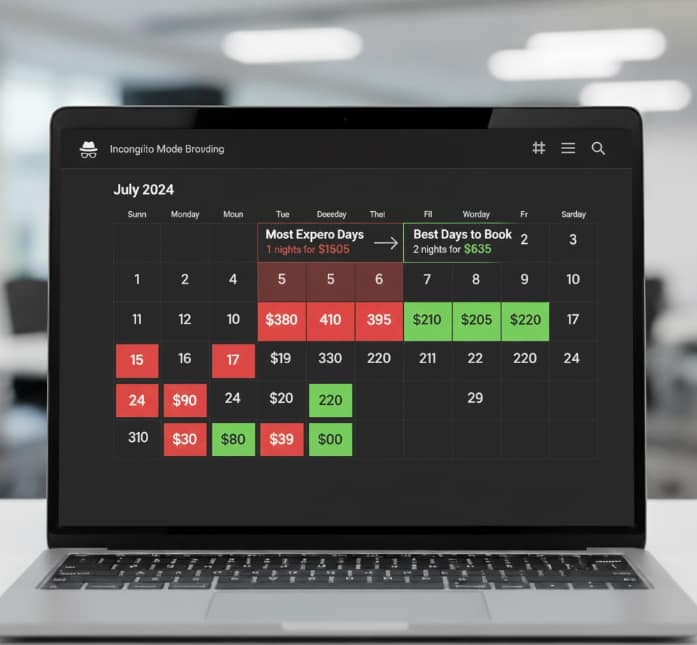
Dynamic pricing often reacts to your search history.
If a site sees repeated searches, you may get higher prices.
Incognito mode gives you cleaner, more unbiased rates.
8. Stay Just 2–3 Blocks Away

Hotels closest to major attractions reflect “location inflation.”
But just a few blocks over, prices drop significantly without sacrificing convenience.
Final Thought: Peak Season Doesn’t Have to Equal Peak Prices

Getting the cheapest hotel prices is about understanding hotel pricing patterns — not luck. Combine timing, hidden rates, private networks, and smart search habits, and you can cut your hotel bill by a surprising amount, even during the busiest travel seasons.